————————————————————————————————–
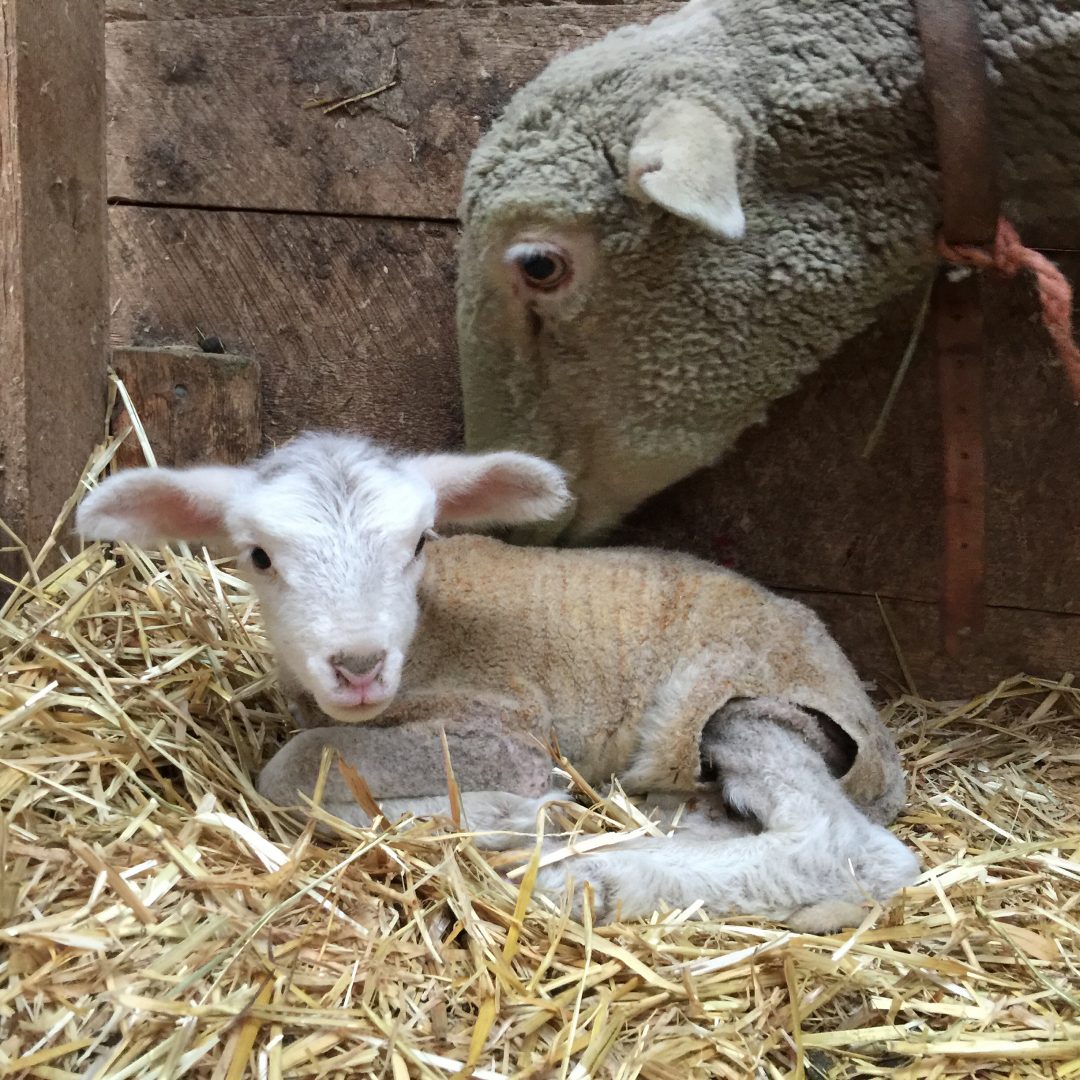
For generations, ranchers have practiced the art of skin grafting orphan lambs and calves onto new moms who often aren’t receptive to the idea of an additional or new offspring to take care of. When a lamb dies, its cape (the skin, hide and wool) is cut and peeled away from its body in a way that creates a coat or vest-like garment. This is then fitted to an orphan lamb to be grafted back to a ewe whose lamb died. Confused? It makes more sense when you’re in the lambing barn making decisions for the overall good of the flock and watching it play out.
————————————————————————————————-
“Why am I here?” was the question that drifted hazily around my over caffeinated, but sleep deprived mind as I fought fatigue, bone-chilling cold and the emotional instability that comes from spending all night in a lambing shed with 1,1100 ewes, 3 teenage daughters and an ornery dog. Continue Reading
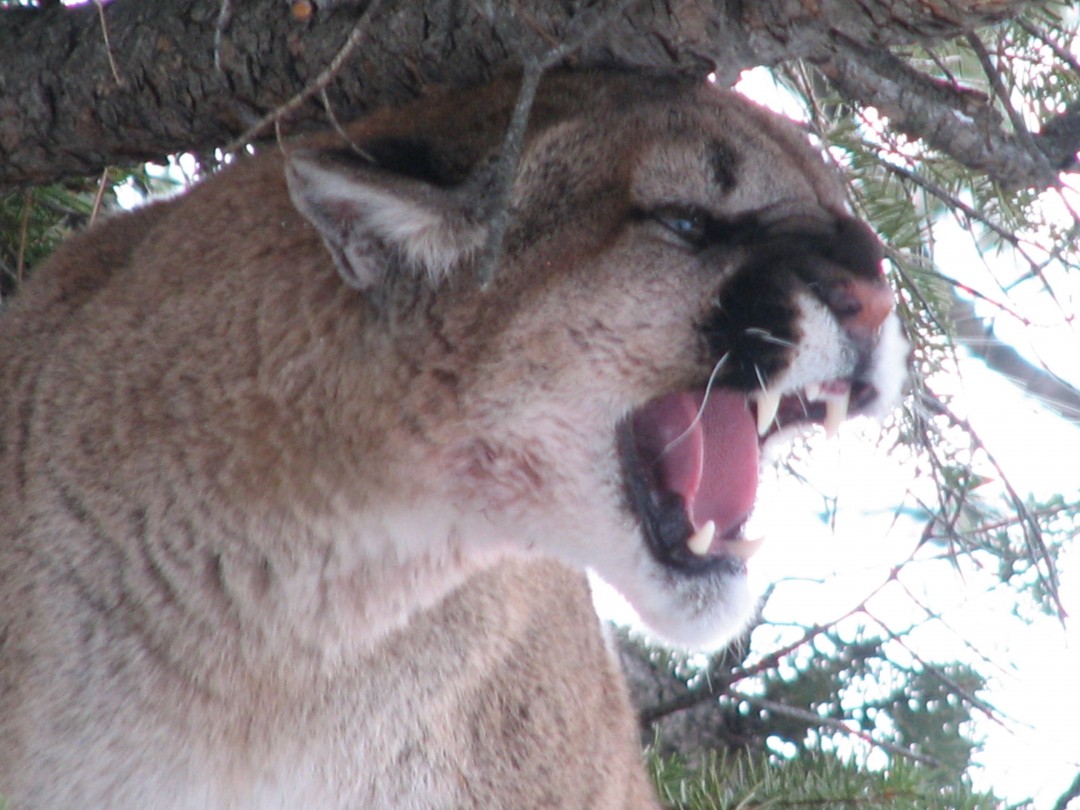
 The snow was deep, the mountain air cool, the ridge frighteningly steep in places and my sweat was pouring. Fresh mountain lion tracks in the snow and the bawling of the hounds ahead urged me on even as I wondered how smart it was to bring my 8-year old daughter along. One look at Sydney’s flushed cheeks and excited smile, though, dismissed that question and refocused me on the task at hand…catching up to the hounds that were bawling “treed” just up the canyon.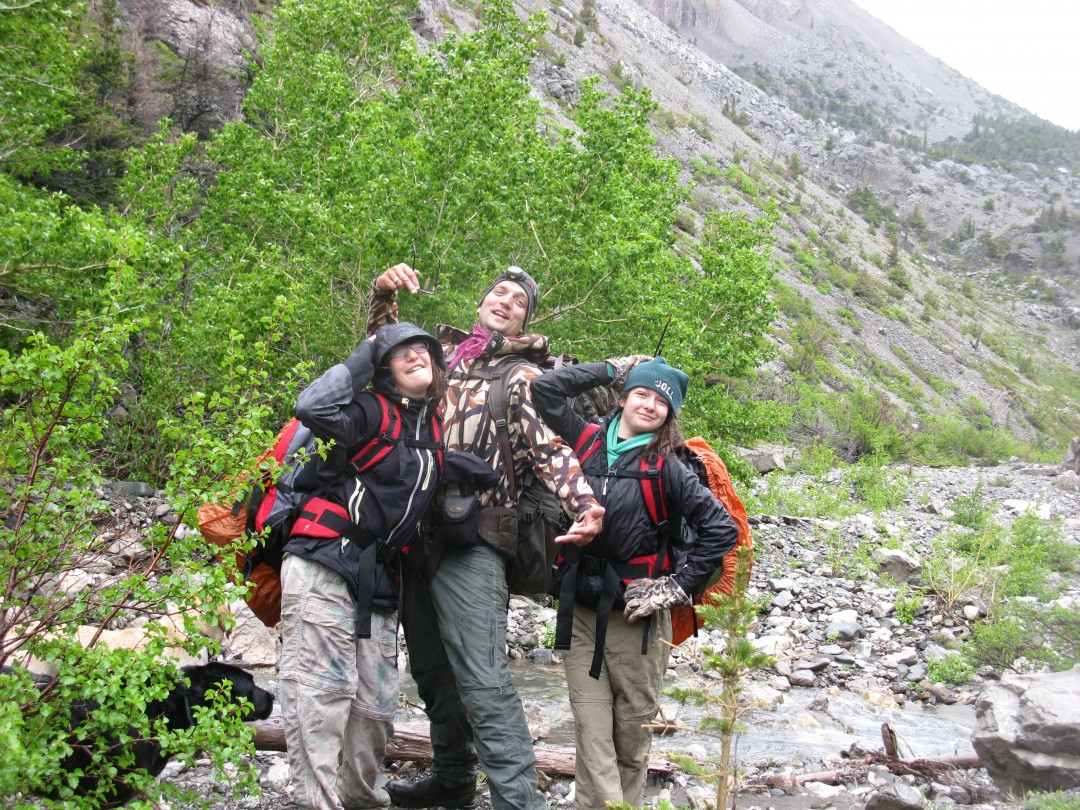
 g beam of my headlamp cut a dim swath through the inky blackness, making an already graduate level desent downright spooky at times. The horns and cape of a trophy bighorn ram added weight to my pack and purpose to this excursion. Soaked in sweat, despite the chill of the night air and fresh snow on the ground, I worked my way down off the mountain and into the grasp of chokingly thick willows.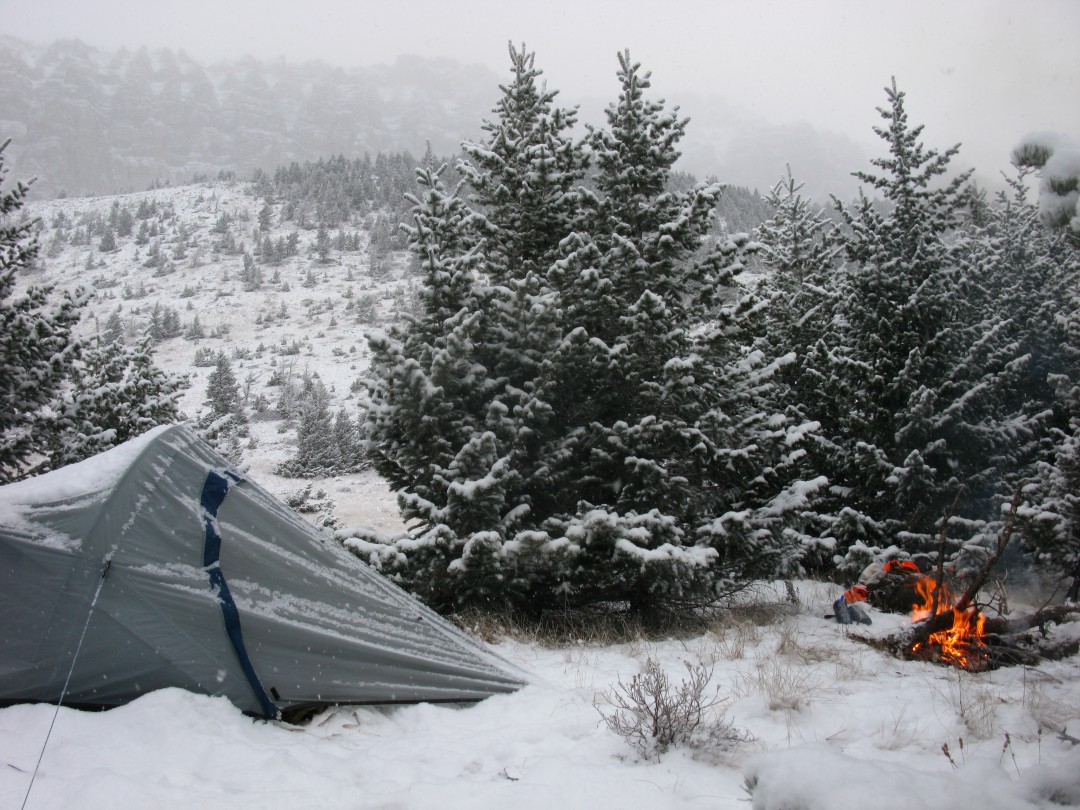
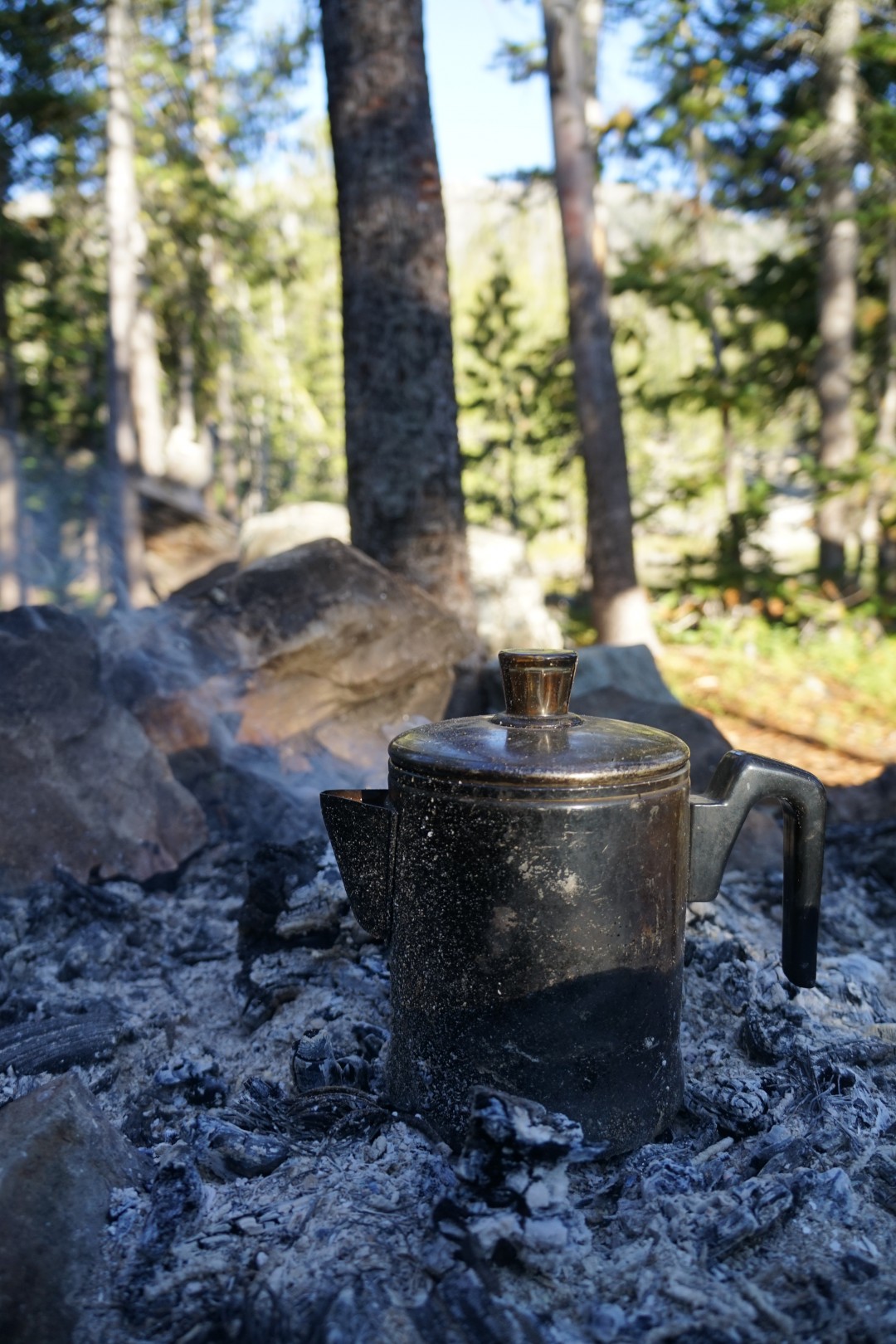
 The idea of a winter backpacking adventure had borne so much promise, excitement, and intrigue while hatching the plans back home, next to a piping hot, cast iron wood stove with a steaming cup of Seattle’s finest at hand.